social media for contractors: what's worth your time
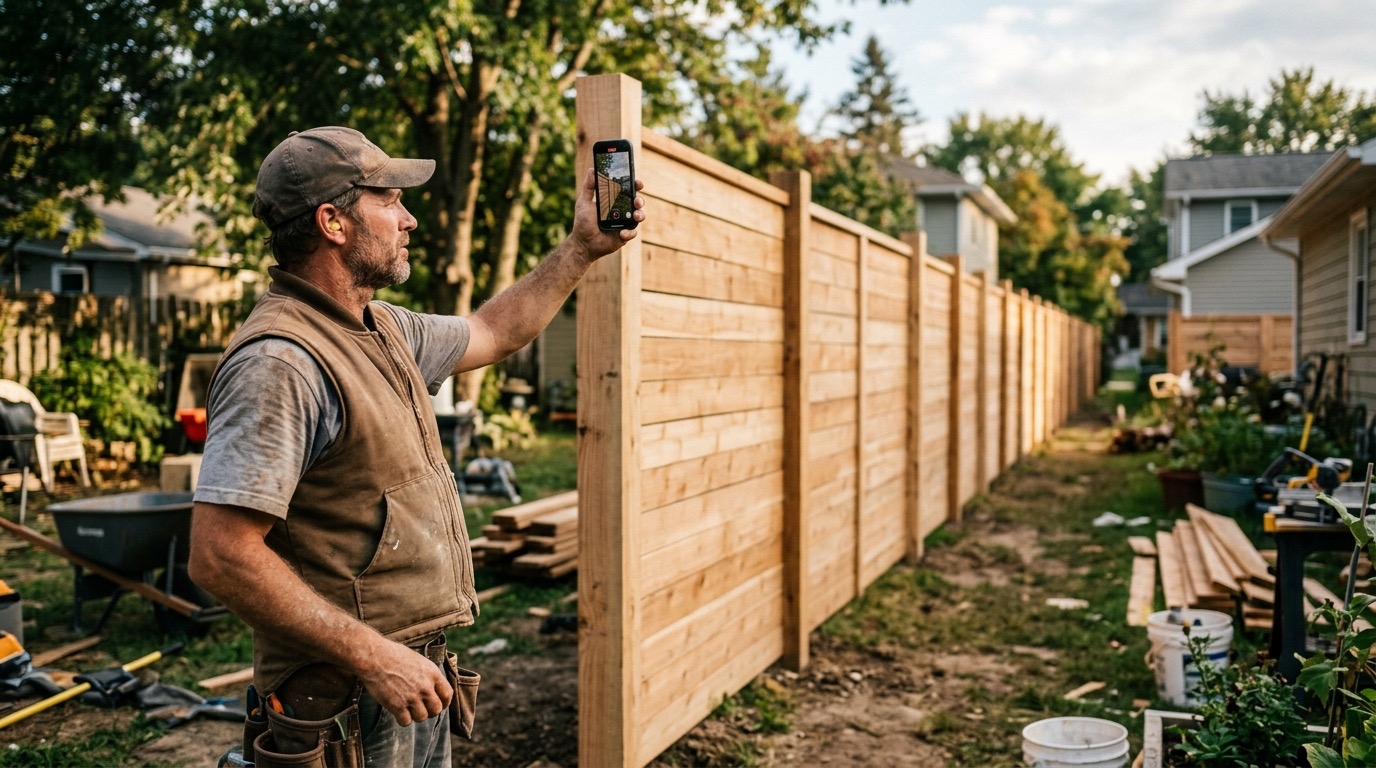
A guy I work with in the trades was ready to hire someone to run his social media full time. Not to manage his leads or his schedule. Just to post on Instagram. He’d convinced himself that was the bottleneck between him and more work.
He had a full calendar.
That’s not a social media problem. But it happens all the time. Someone tells a contractor that social media is where all the customers are now, and the contractor either ignores it completely or throws money at it and wonders why nothing changed.
The truth about social media for contractors is simpler than either of those reactions. There’s a short list of things that actually move the needle. And there’s a long list of things that feel productive but don’t.
what social media actually does for a trades business
Let’s be direct about what you’re trying to get out of this. You’re not building a brand in the abstract. You’re trying to get homeowners in your service area to call you when they need what you do.
Social media can help with that, but not in the way most people think. It’s not usually where homeowners go to find a contractor. That’s Google. But social media is where they go after they’ve heard your name, to decide if they trust you enough to call.
Think of it as a credibility check. Someone gets a referral from a neighbor, or they see your truck, or they find you on Google. Then they look you up. If your Facebook page is empty, or your last Instagram post was two years ago, that’s a data point. It makes them less sure about you.
Active, real content does the opposite. It tells them you’re still in business, you do good work, and you’re a real person. That’s worth more than any clever caption.
the content that actually works
before and after photos
This is the single highest-ROI thing you can post. Pull out your phone before you start a job, take a few shots of the starting condition. Take a few when you’re done. Post them together.
It doesn’t need to be a professional photo shoot. A cracked driveway and then the same driveway repaved. A sagging fence and then a new one standing plumb. A water-stained ceiling repaired and repainted. People understand what they’re looking at, and they imagine their own house.
Before-and-afters work on every platform and they require no creativity. Just the habit of taking the photo at the start and end.
jobsite progress clips
Short video of the work in progress does something photos can’t: it shows the customer what the process actually looks like. A lot of homeowners are nervous about hiring a contractor because they don’t know what to expect. A 30-second clip of your crew working, the materials being installed, the thing taking shape, answers that unspoken question.
These don’t need editing. Phone video, natural light, show the work. That’s it.
the person behind the truck
This one makes people uncomfortable but it matters. You don’t have to be a personality or do anything that feels performative. But showing your face occasionally, talking briefly about how you approach a job, why you do something a certain way, what you look for when you’re assessing a project, that builds a kind of trust that project photos alone can’t.
People hire people. When they’ve seen your face and heard you talk about your work before they ever call you, the first conversation goes differently.
A 60-second video where you explain why you use a certain material, or what questions a homeowner should ask before hiring anyone for a job like theirs, is worth ten polished graphics.
quick how-it-works clips
Not tutorials. Not “do it yourself.” Short explanations of what you actually do.
“Here’s what we’re doing when we re-slope a drainage area.” “Here’s why we prep a surface before painting instead of going straight to the color coat.” These answer questions homeowners already have and position you as someone who knows what they’re doing without bragging about it.
real reviews and finished job posts
When a customer leaves you a Google review, screenshot it and post it. When a job wraps and the customer is happy, take one more photo, get a quick sentence from them if they’re willing, and post it.
You’re not making up social proof. You’re amplifying proof that already exists.
what to skip
chasing trending audio and formats
The algorithm does reward certain formats on certain platforms at certain times. That stuff changes constantly, and it’s not your job to keep up with it. You’re a contractor, not a content creator. When you post something that doesn’t match who you are because some reel format is getting views that week, it reads as off. It doesn’t build trust. It wastes your time.
daily posting
Posting every day with nothing to say is worse than posting twice a week with something real. Frequency matters less than consistency and quality. Two or three posts a week with actual job content will outperform daily posts of stock images and generic tips every time.
obsessing over follower counts
Follower count is a vanity number for a trades business. What matters is whether the people in your service area who look you up decide to call. A contractor with 200 followers and a steady stream of real job content will book more work off social media than a contractor with 4,000 followers who posts inspirational quotes.
Watch your DMs and calls. Watch whether people mention seeing your posts when they contact you. Those are the signals that matter.
trying to be everywhere
You don’t need to be on every platform. Pick one or two and do them consistently. For most contractors, Facebook is still where homeowners in your area actually are, especially in the 35-plus demographic that owns homes and hires trades. Instagram works well if your work is visual and the finished product photographs clearly. You don’t need TikTok, LinkedIn, Twitter, Pinterest, and YouTube all at once.
the minimum effective dose
Here’s what works without consuming your life.
Take a before shot on every job. Take an after shot on every job. Post the pair once or twice a week. Add a sentence about what the job was and where you’re located.
Once a week or so, take 60 seconds of phone video on a job. Post it with a two-sentence caption.
When you get a review, screenshot it and post it.
That’s it. That’s a social media presence that will hold up to scrutiny, build credibility over time, and support the referrals and Google traffic you’re already getting.
If you want to do more, a simple system helps. A social media approach that’s built around your work, not around chasing trends, is something you can actually keep up with. But start with the basics first.
common questions
does social media actually get contractors new customers directly?
Sometimes, but that’s not usually how it works. For most, social media is a supporting channel. It validates the referral, confirms you’re legit when someone Googles you, and keeps past customers thinking of you when they need something done. That’s real value even if it’s not a direct call.
which platform should I focus on first?
Facebook for most contractors serving homeowners, especially if your typical customer is over 40. Instagram if your finished work photographs well. Start with one, get consistent there, then add a second if it makes sense.
how do I find time to post when I’m on job sites all day?
The photos take 30 seconds. The post takes two minutes. The habit is the hard part, not the time. At the end of every job, before you pack up, take the after photo. Batch your posts on Sunday evening for the week. You don’t have to do it in real time to maintain a consistent presence.