AI email management
Connected to your inbox, it reads, organizes, and drafts replies in your voice overnight. You wake up, approve, send. The drafting is gone, the decisions stay yours.
I find what's quietly eating your week and build you out of it. AI is just the tool that makes it cheap now. Here's real stuff I've built.
Not a strategy deck. Actual tools I designed and built for real businesses, including my own. Take a look, then we'll find yours.
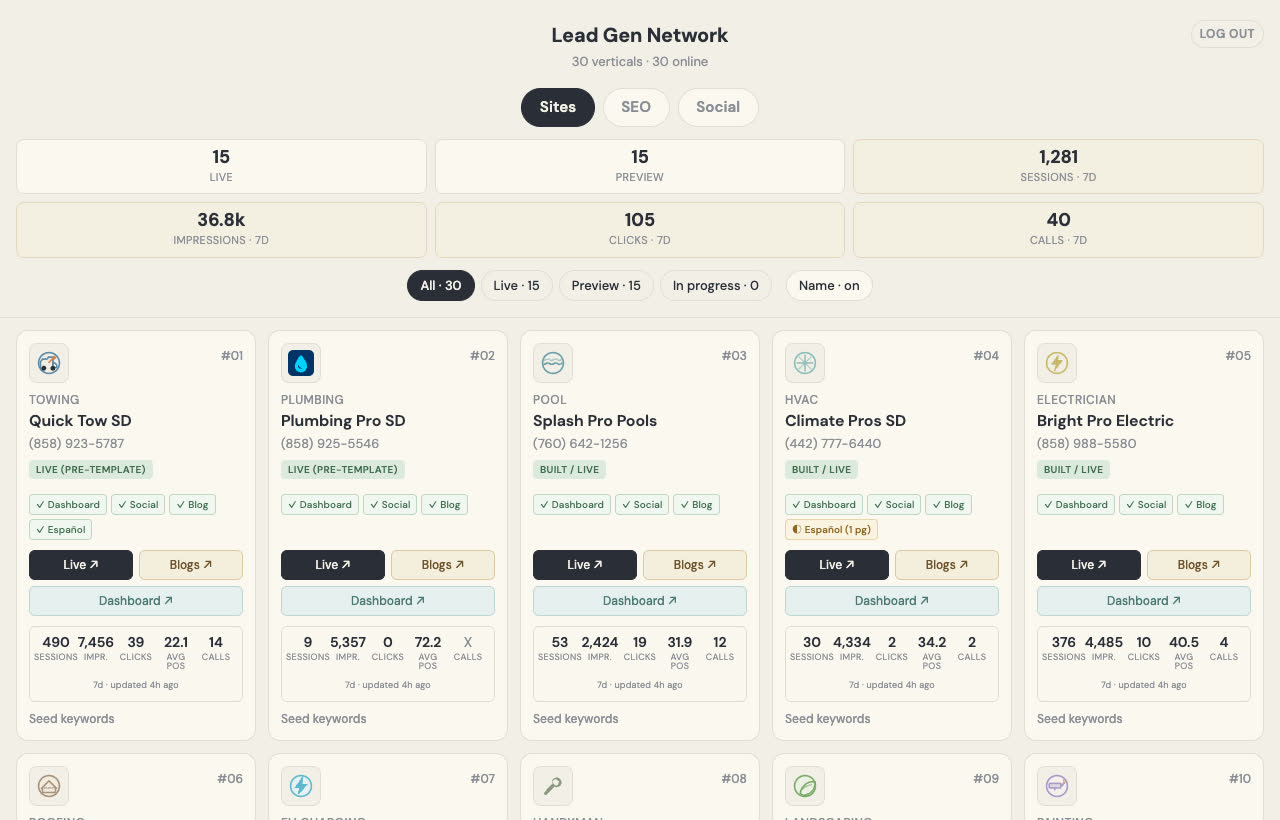
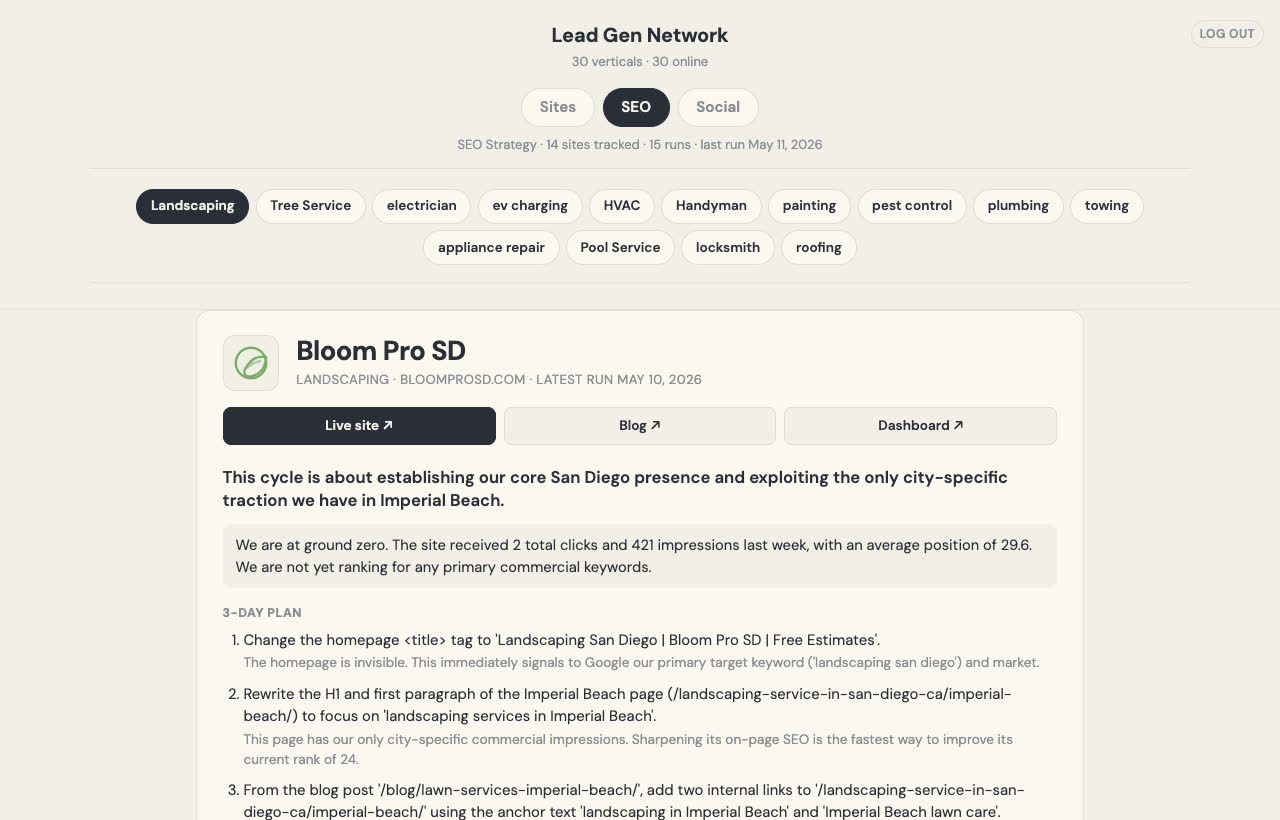
Connected to your inbox, it reads, organizes, and drafts replies in your voice overnight. You wake up, approve, send. The drafting is gone, the decisions stay yours.
Built on your data, decisions, and voice, so staff can draft in your words, understand past calls, and pressure-test ideas before they reach you. It extends you, it doesn't replace you.
Replaced a full day of manual hours-into-Excel every week with one button: pull via API, lock, export. That day went back to real work.
Text or voice-memo it from the car and your calendar and to-do list fill themselves. For owners who think faster than they type.
A client came to me sure their business was failing. Overseas shipping and postage had spiked and margins felt like they were collapsing. I dug into every cost, line by line. They were still profitable, but their pricing was two years out of date and they'd never renegotiated with their main supplier. I rebuilt the margin model, helped them walk into that conversation with the numbers, and they locked in a thirty percent discount before peak season. Nobody needed to build anything. The job was to see what was actually happening. The build comes after the diagnosis.
AI automation for a small business usually looks like replacing a few hours of repetitive weekly work with a system that handles it automatically, things like follow-up emails, lead intake, content drafting, or report generation. It's not magic and it's not replacing your team. It's identifying the tasks where AI is genuinely faster and more consistent than a human doing it manually, and building a workflow around that.
If you have a process you do repeatedly, spend time on tasks that feel mechanical, or find yourself copying information between tools, you're probably ready. You don't need to be a tech company. I've helped organizations cut software and operational costs dramatically by mapping out what they were already doing and finding the right tool to handle it. The first conversation is free, and that's usually where we figure out whether AI integration makes sense for where you are right now.
I use AI tools every day in my own business, including content drafting, transcription, client communication, and workflow automation. I also cross-reference multiple AI models before making decisions, because no single tool gets everything right. That means the advice I give clients comes from practical daily use, not a vendor pitch I read somewhere.
Usually no. Most of the AI workflows I build for clients layer on top of what they're already using rather than ripping things out. I've helped an organization cut its software spend by 94 percent, from about $20,000 down to $1,100 a year, by auditing what they actually needed versus what they were paying for out of habit. That kind of savings usually comes from consolidation, not adding more tools.
I work with businesses all over the county. Find your city for ai automation built for how locals there actually search.
The first conversation is exploratory and free. If I can't add real value, I'll tell you directly. Sometimes the honest answer is you don't need any of this yet, and that's worth knowing too.